
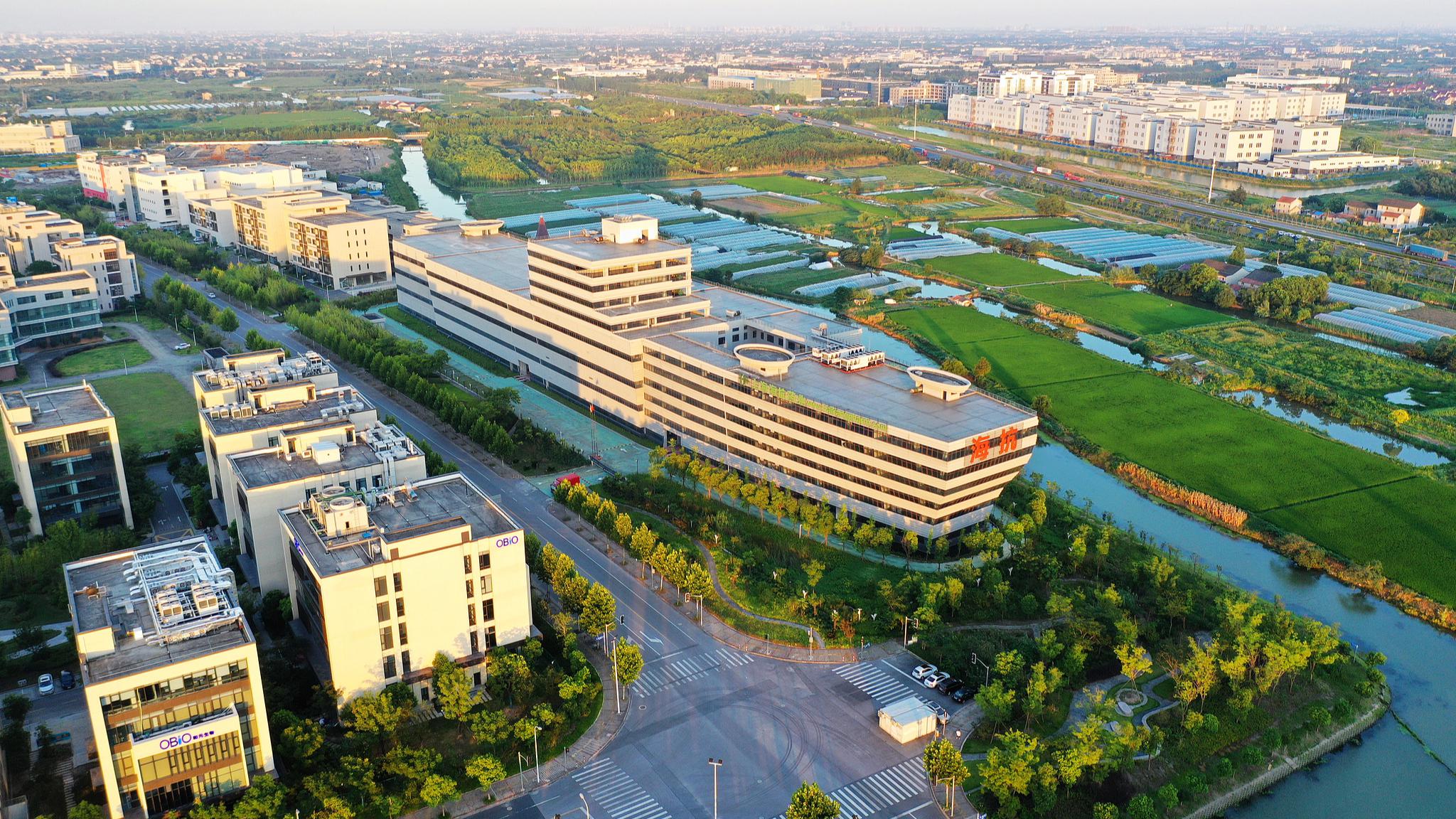
The transformation of China’s healthcare sector is no longer just a domestic success story; it has become a central pillar of global health engagement. For years, the industry was viewed primarily as a consumer of global innovation. However, as of mid-2026, the data indicates a definitive shift: China has transitioned into a major global hub for biomedical R&D, anchored by innovation clusters in the Yangtze River Delta, the Beijing-Tianjin-Hebei region, and the Guangdong-Hong Kong-Macao Greater Bay Area. These three hubs now consolidate more than 80 percent of the nation's industry resources and research capacity, creating a gravitational pull for international medical collaboration.
The scale of this expansion is remarkable when viewed through a quantitative lens. In 2025 alone, China conducted over 1,300 clinical studies—a twelvefold increase over the past decade—and secured the approval of 76 innovative medicines. This surge is backed by a massive market value of five trillion yuan ($700 billion), maintaining a robust annual growth rate of 8.7 percent and securing roughly 22 percent of the global market. As highlighted in reports from People's Daily, this trajectory is not an accidental byproduct of market forces, but the result of rigorous long-term planning, such as the "Healthy China 2030" initiative, which aligns state-level fiscal investment with private enterprise. Furthermore, the 2026 Government Work Report’s designation of biomedicine as an emerging pillar industry is expected to further incentivize capital inflow, while regulatory optimizations—which have already slashed clinical trial approval times by 30 to 40 percent—are drastically lowering development costs and accelerating time-to-market.
Opening this market to the world has been equally transformative. The Boao Lecheng International Medical Tourism Pilot Zone in Hainan stands as the clearest example of this "gatekeeper" strategy. By the end of 2025, the zone had facilitated the entry of over 530 internationally approved drugs and devices into the Chinese market, serving over 200,000 patients. The demand is clearly accelerating; during the first ten months of 2025, the volume of patients accessing these specialized medical products skyrocketed by 137 percent year on year, while medical tourism visits climbed by over 80 percent. This creates a symbiotic relationship: global pharmaceutical giants gain immediate access to a massive patient base, and Chinese patients gain accelerated access to the world’s most advanced therapies.
Beyond domestic growth, China is deepening its role as a steward of global health security. The commitment is expansive: through health cooperation agreements with over 160 countries and organizations, China has deployed 30,000 medical workers to treat more than 300 million patients across 77 countries and regions. As articulated in the June 2026 State Council white paper on global governance, this participation is a fundamental component of China’s foreign policy, aiming to support the World Health Organization’s (WHO) central coordination role.
Ultimately, China's healthcare evolution is a blueprint for how a nation can pivot from a follower to a leader in high-stakes innovation. By integrating high-end manufacturing, streamlining bureaucratic bottlenecks, and maintaining a commitment to international medical cooperation, China is not only improving health outcomes for its own 1.4 billion people but is also becoming an essential partner in addressing the global disease burden. For international investors, researchers, and public health officials, the takeaway is clear: the integration of China’s healthcare sector into the global supply chain is not just an opportunity—it is a new reality that will dictate the pace and direction of medical innovation for the remainder of the decade.
News source: https://peoplesdaily.pdnews.cn/china/er/30052527395